· 2 min read
Decentralized GPU Power in the AI Era: Moving Beyond Hashrate
Decentralized GPU networks are becoming crucial for scaling AI workloads, which require far more than just hashrate—a metric traditionally used in cryptocurrency mining. Unlike mining, AI tasks like model training and inference depend on factors like PCIe bandwidth, memory throughput, and parallel processing. As we move into the AI era, decentralized projects must adopt new performance metrics (FLOPs, memory throughput, latency) to efficiently harness GPU power for AI, paving the way for a more accessible and scalable future in computing.
As artificial intelligence (AI) continues to demand immense computational power, decentralized GPU networks are emerging as a viable solution. Traditionally, GPU performance in cryptocurrency mining has been measured using hashrate, a metric specific to Proof of Work (PoW) mining algorithms like Ethash. However, AI workloads require different resources, meaning reliance on hashrate is no longer sufficient.
In the context of this shift, DePIN (Decentralized Physical Infrastructure Networks) has become a pivotal concept. DePIN refers to decentralized systems that enable shared physical infrastructure, such as GPUs, to be used for a variety of computational purposes, including AI model training and inference. DePIN networks leverage idle hardware, such as gaming PCs or data center GPUs, to decentralize computing resources, improving accessibility and reducing reliance on traditional cloud services. These networks are designed to facilitate efficient resource-sharing for compute-heavy tasks, making them ideal for the AI era.
The Role of PCIe Lanes in Mining vs AI
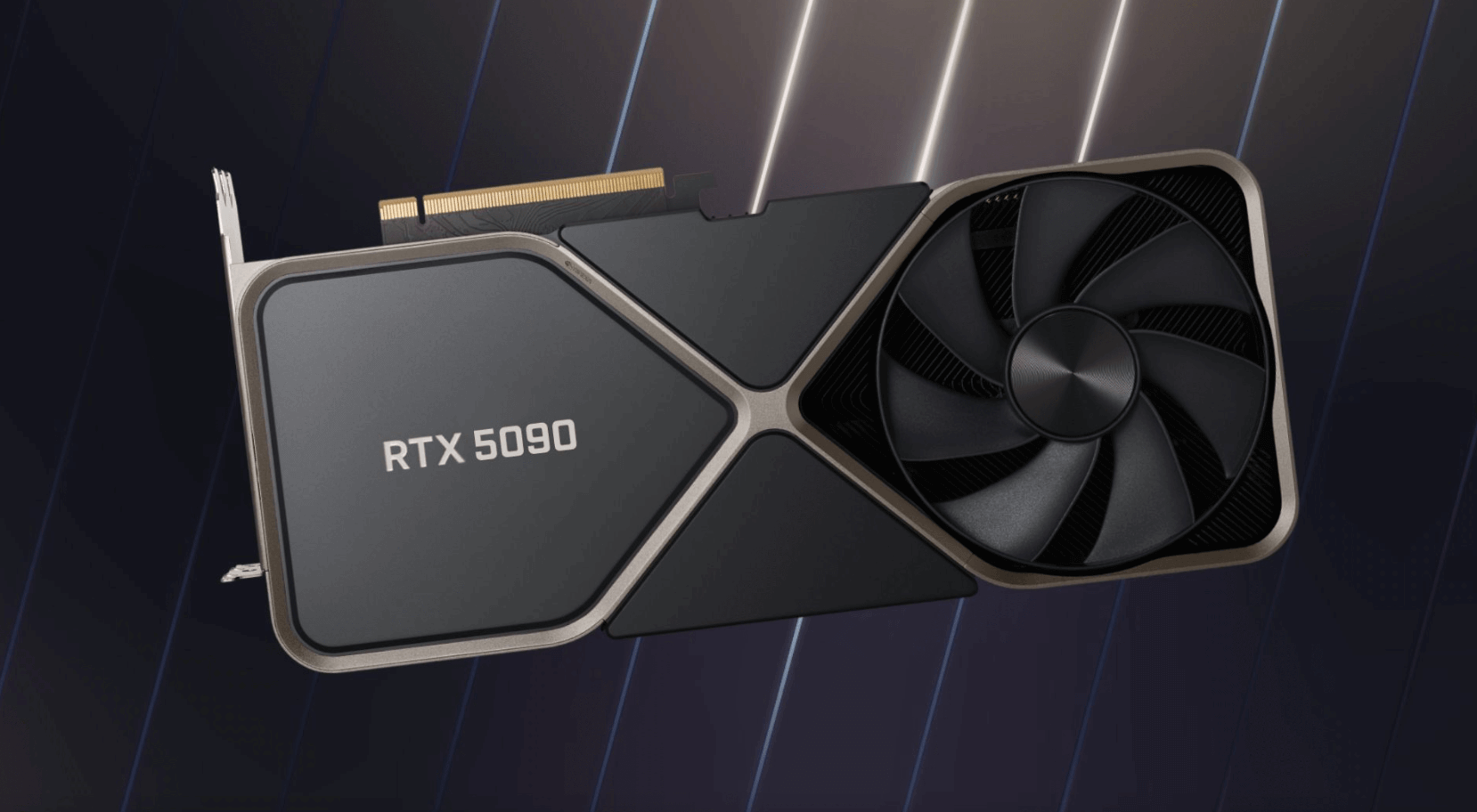
For example, mining performance on GPUs, such as the 4090, is minimally affected by PCIe bandwidth—whether running on PCIe 3.0 x4 or PCIe 4.0 x16, the hashrate difference is negligible (1-2%). This is because mining primarily leverages GPU compute power, and once data (such as the DAG file) is loaded into VRAM, bandwidth plays a limited role.
However, in AI tasks like model training or inference, PCIe bandwidth and other factors—such as memory bandwidth and parallel processing efficiency—are far more crucial.
Moving Beyond Hashrate for AI Workloads
To meet AI demands, decentralized projects should move away from hashrate and instead adopt metrics tailored to AI workloads, such as:
- FLOPs (Floating Point Operations per Second)
- Memory Throughput
- Latency
This ensures that GPUs are utilized efficiently for tasks beyond cryptocurrency mining.
The Future of Decentralized GPU Power
Decentralized GPU networks offer a scalable, cost-effective solution to support the growing AI infrastructure needs. By moving beyond hashrate and adopting AI-centric performance measures, these networks can unlock a future where computing power is more accessible and aligned with AI’s diverse requirements.
By integrating the principles of DePIN, decentralized networks can efficiently share GPU resources, enabling faster AI development and democratizing access to computational power. This approach reduces reliance on centralized cloud providers and allows for more flexible, distributed, and cost-effective use of global GPU power.