· 2 min read

Intel Core Ultra 200S: Ideal for Dual GPU AI Setups

Intel's Core Ultra 200S series, based on the new Arrow Lake architecture, is tailored for AI and machine learning workloads, particularly in dual GPU configurations. Offering up to 48 PCIe lanes, these CPUs ensure seamless communication between GPUs for tasks like deep learning and AI training. With the integration of Neural Processing Units (NPU) and optimized power efficiency, the Arrow Lake architecture brings a significant leap in performance, making the Core Ultra 200S series ideal for AI-driven applications and professional workloads.
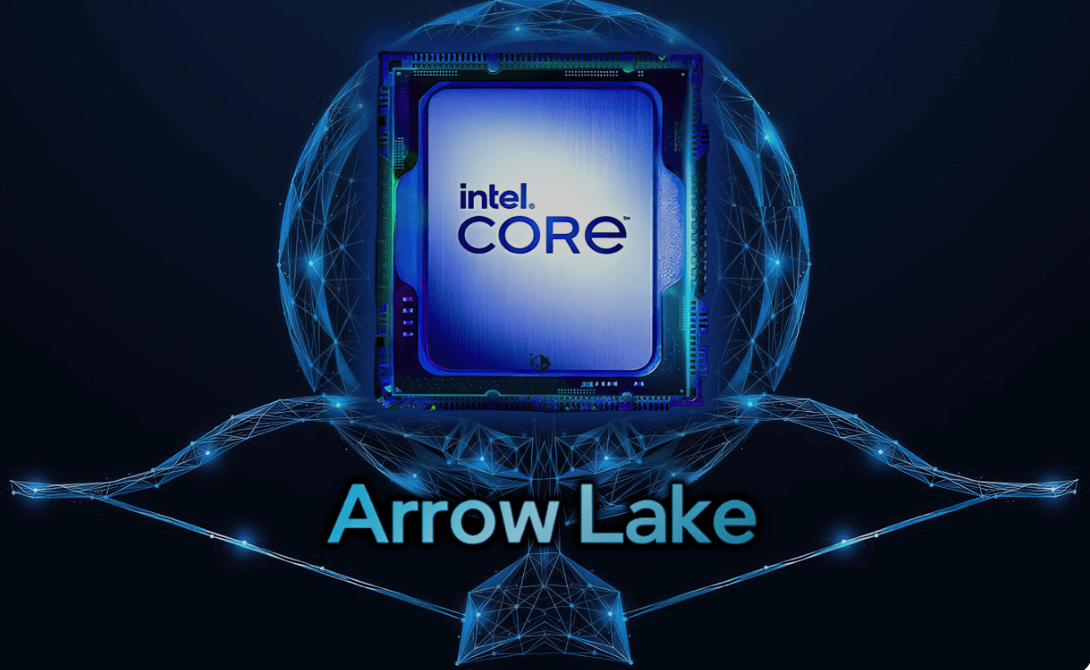
Intel's Core Ultra 200S series, based on the new Arrow Lake architecture, is tailored for AI and machine learning workloads, particularly in dual GPU configurations. Offering up to 48 PCIe lanes, these CPUs ensure seamless communication between GPUs for tasks like deep learning and AI training. With the integration of Neural Processing Units (NPU) and optimized power efficiency, the Arrow Lake architecture brings a significant leap in performance, making the Core Ultra 200S series ideal for AI-driven applications and professional workloads.

Intel’s new Core Ultra 200S processors, launched in October 2024, are designed to deliver top-tier performance for AI and machine learning workloads, particularly in systems using dual GPUs. These CPUs offer up to 48 PCIe lanes, making them ideal for high-bandwidth tasks that require seamless GPU-to-GPU communication.

Why Core Ultra 200S is Perfect for Dual GPU AI Workloads

The combination of PCIe Gen 5.0 lanes and Intel’s integrated Neural Processing Unit (NPU) brings a significant boost to AI performance. With 20 PCIe Gen 5.0 lanes and additional PCIe Gen 4.0 lanes available in the top-tier models, users can maximize data throughput across multiple GPUs without bottlenecking the system. This is critical for AI tasks such as deep learning and neural network training, which require large amounts of data to be moved rapidly between GPUs.

Key Features

  • PCIe Gen 5.0 and PCIe Gen 4.0 support for maximum data bandwidth.
  • Integrated NPU for accelerating AI workloads directly on the CPU.
  • 58% reduction in power consumption during standard tasks for better energy efficiency.

Core Ultra 200S Specifications

ModelCores/ThreadsMax Boost ClockPCIe LanesPrice
Core Ultra 9 285K24 (8P + 16E)5.7 GHz48 lanes (PCIe 5.0 & 4.0)$589
Core Ultra 7 265K20 (8P + 12E)5.5 GHz48 lanes (PCIe 5.0 & 4.0)$394
Core Ultra 5 245K14 (6P + 8E)5.2 GHz40 lanes (PCIe 5.0 & 4.0)$309

These specifications make the Core Ultra 200S series an excellent choice for professionals handling data-intensive workloads like AI training, machine learning, and content creation.

Conclusion

With up to 48 PCIe lanes, including 20 PCIe Gen 5.0 lanes, support for dual GPUs, and an integrated Neural Processing Unit, Intel’s Core Ultra 200S series offers robust solutions for AI-driven tasks. Whether you’re a data scientist or a game developer, these processors deliver the performance, connectivity, and power efficiency needed for modern AI workloads.

For more information, visit Intel Core Ultra 200S.
Back to Blog

Related Posts

View All Posts »
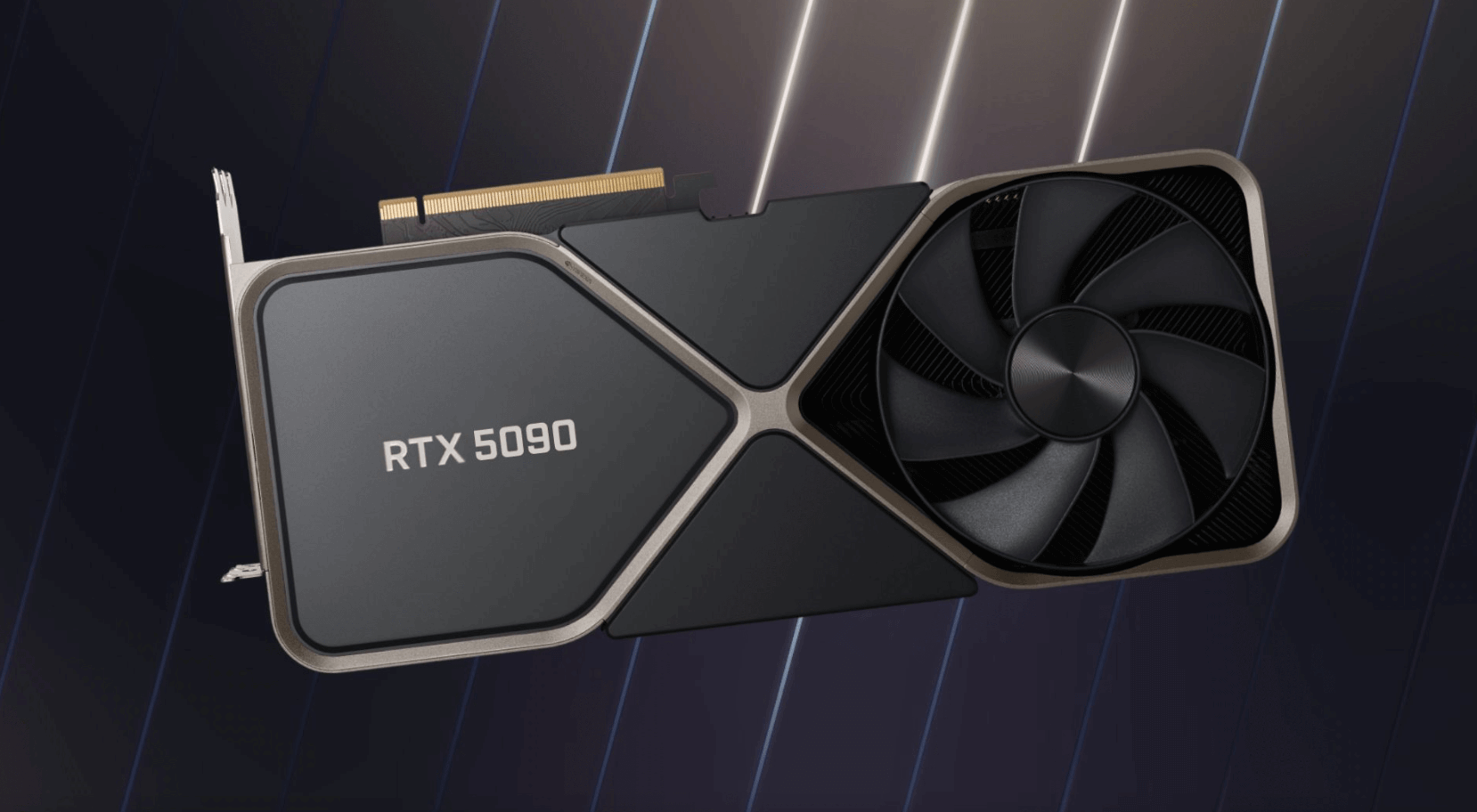
NVIDIA RTX 5090 Rumors: What We Know So Far and How It Compares to the RTX 4090

NVIDIA RTX 5090 Rumors: What We Know So Far and How It Compares to the RTX 4090

As Nvidia gears up for its next big GPU release, the GeForce RTX 5090, rumors suggest a massive performance leap over the RTX 4090. With 21,760 CUDA cores, 32GB of GDDR7 memory, and a potential 50-70% performance boost, the RTX 5090 promises to set a new standard in gaming and AI performance. However, with a 600W power draw and a price tag speculated to exceed $2,000, this next-gen GPU won't come cheap. Should you wait for the RTX 5090 or opt for the already powerful RTX 4090? We break down the details in this post!

Klok: AI-Driven Crypto Intelligence by Mira Network Ecosystem

Klok: AI-Driven Crypto Intelligence by Mira Network Ecosystem

Klok is an AI-driven crypto intelligence app within the Mira Network Ecosystem, designed to give investors real-time market insights and predictive analytics. Backed by Mira’s decentralized infrastructure, which integrates GPU-powered computing and community-driven blockchain incentives, Klok offers a powerful, data-focused tool for navigating crypto investments. Supported by venture leaders like BITKRAFT, Framework Ventures, and industry influencers like Balaji Srinivasan and Sandeep Nailwal, Klok exemplifies Mira's mission to democratize AI in crypto and DeFi.

Exploring the Future of Zero-Knowledge Proofs with GPU Acceleration: A Look at Fermah.xyz

Exploring the Future of Zero-Knowledge Proofs with GPU Acceleration: A Look at Fermah.xyz

Zero-knowledge proofs (ZKPs) are transforming the way we approach privacy and security in cryptography, allowing verification without revealing sensitive information. As the demand for ZKPs increases, traditional CPUs struggle with the complex computations required. Enter GPUs—offering parallel processing capabilities that significantly accelerate ZKP generation and verification. Fermah.xyz is at the forefront of this shift, providing a platform that optimizes ZKPs through GPU acceleration, making these advanced cryptographic techniques more scalable, efficient, and accessible for real-world applications.

The Importance of PCIe Lanes Between GPU, Motherboard, and CPU in the AI Era

The Importance of PCIe Lanes Between GPU, Motherboard, and CPU in the AI Era

In the AI era, optimizing hardware isn't just about powerful CPUs and GPUs—it’s about ensuring efficient communication between them. PCIe lanes, the data highways between the CPU, GPU, and motherboard, play a critical role in AI tasks like deep learning and model inference. Adequate PCIe bandwidth allows for faster data transfers, multi-GPU support, and real-time processing, making lane allocation essential for high-performance AI systems. As PCIe 5.0 emerges, preparing your hardware for increased bandwidth will future-proof your system for next-gen AI workloads.