· 4 min read
NVIDIA RTX 5090 Rumors: What We Know So Far and How It Compares to the RTX 4090
As Nvidia gears up for its next big GPU release, the GeForce RTX 5090, rumors suggest a massive performance leap over the RTX 4090. With 21,760 CUDA cores, 32GB of GDDR7 memory, and a potential 50-70% performance boost, the RTX 5090 promises to set a new standard in gaming and AI performance. However, with a 600W power draw and a price tag speculated to exceed $2,000, this next-gen GPU won't come cheap. Should you wait for the RTX 5090 or opt for the already powerful RTX 4090? We break down the details in this post!
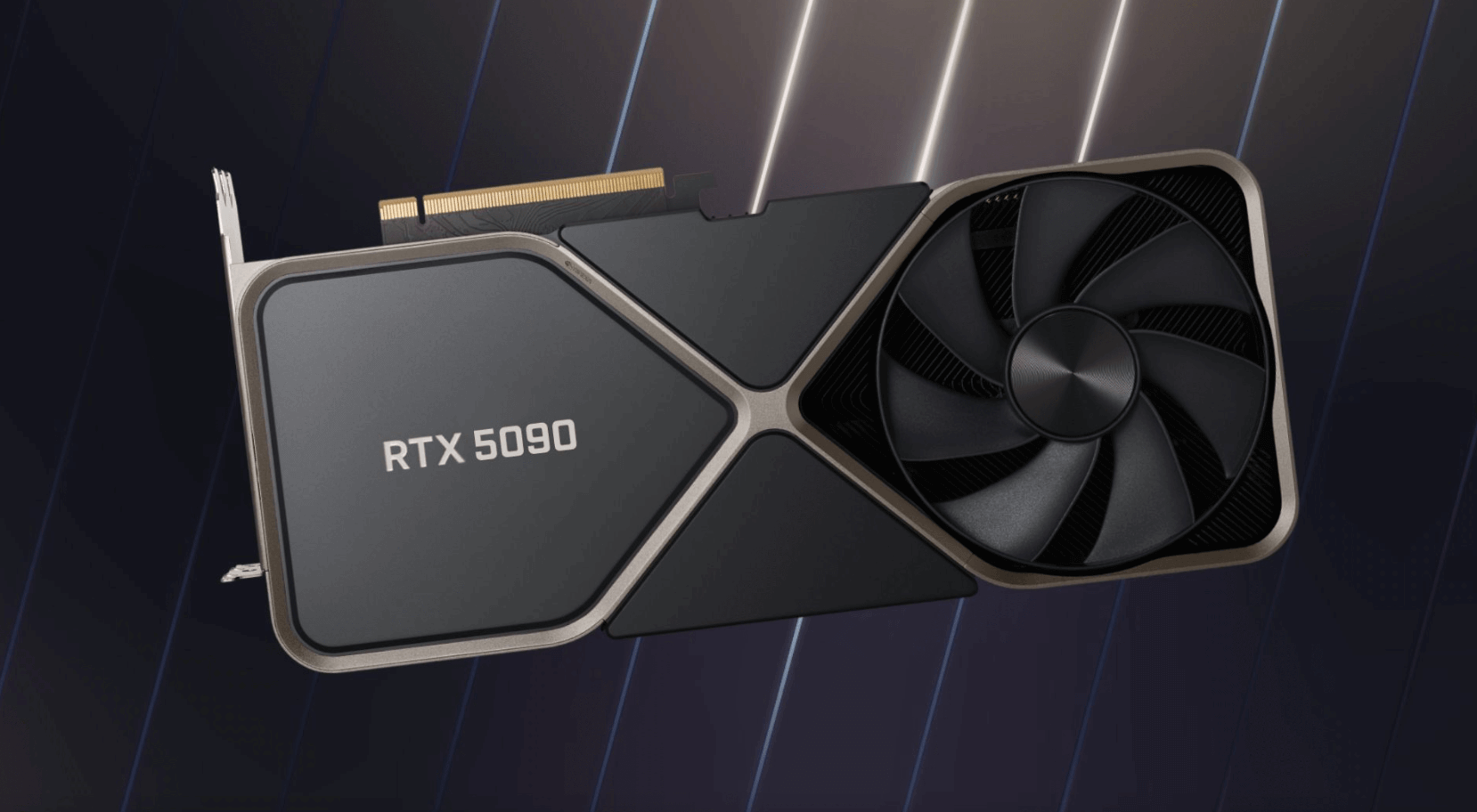
As the gaming and tech world eagerly awaits Nvidia’s next big GPU release, the GeForce RTX 5090 has been a hot topic of discussion. Rumors suggest that Nvidia is preparing a behemoth of a card with significant performance enhancements over its already powerful predecessor, the RTX 4090. Here’s a look at the latest rumors, what we know so far, and how the upcoming RTX 5090 compares to the RTX 4090.
Leaked Specifications: What to Expect
The RTX 5090 is expected to make waves with some seriously beefed-up specs. According to several reliable sources, including notable leaker Kopite7kimi, the RTX 5090 will be built around the new Blackwell architecture. Here’s a look at the rumored specs:
- CUDA Cores: 21,760 (a 33% increase over the RTX 4090’s 16,384 cores).
- Memory: 32GB GDDR7, significantly improving on the RTX 4090’s 24GB GDDR6X.
- Memory Bandwidth: 1.7TB/s, up by 68% from the RTX 4090’s 1.01TB/s.
- Power Draw: 600W TGP, a notable increase from the RTX 4090’s 450W.
These numbers point to massive gains in raw processing power, memory speed, and overall bandwidth, making the RTX 5090 a monster card in terms of both performance and power consumption. The 600W power draw has already sparked discussions about cooling solutions and the need for robust power supplies.
Performance Uplift: 50-70% More Power?
Rumors suggest that the RTX 5090 could offer up to 50-70% more performance than the RTX 4090. This would be an enormous leap, considering the RTX 4090 already stands as the best consumer GPU on the market. The increased CUDA core count and the jump to GDDR7 memory will likely result in higher frame rates, improved AI performance, and better overall GPU computing capabilities.
Nvidia’s new Blackwell architecture is also expected to optimize efficiency, which could help offset the large power draw while still delivering stellar performance. For gamers, this might mean ultra-smooth 4K gaming at higher refresh rates or even pushing 8K gaming further into reality.
Price Speculations: Is $2,000 the New Normal?
One of the big questions surrounding the RTX 5090 is its price. Early leaks suggest that the card could retail for anywhere between $1,899 to $2,199. This would place it well above the RTX 4090’s launch price of $1,599, which has often inflated in the market due to demand.
Given the RTX 5090’s massive specs, a price increase seems inevitable, but some have speculated that Nvidia could push the price as high as $2,500 for premium variants, especially considering its position as a top-tier card for both gaming and AI work.
Comparing the RTX 5090 and RTX 4090
The RTX 4090 is still a powerhouse in the GPU market, but the rumored specs for the RTX 5090 show a clear performance leap:
| Specification | RTX 5090 (Rumored) | RTX 4090 |
|---|---|---|
| CUDA Cores | 21,760 | 16,384 |
| Memory | 32GB GDDR7 | 24GB GDDR6X |
| Memory Bandwidth | 1.7TB/s | 1.01TB/s |
| Power Consumption | 600W | 450W |
| Price (Estimate) | $1,899 - $2,199 | $1,599 |
Should You Wait for the RTX 5090?
If you’re currently considering a GPU upgrade, you might wonder whether to jump on the RTX 4090 now or wait for the RTX 5090. While the RTX 5090 promises to deliver a substantial performance boost, it may not hit the market until early 2025, likely around the CES event in January. For those looking for the absolute cutting-edge in performance, waiting could be worthwhile. However, the RTX 4090 is no slouch, and if you need a powerful card right now, it remains an excellent choice.
In conclusion, the Nvidia RTX 5090 is shaping up to be a groundbreaking release that pushes the envelope for consumer GPUs. With its massive CUDA core count, faster memory, and improved architecture, it promises to deliver the next level of performance—albeit at a higher cost and power requirement. Whether you’re a gamer, AI enthusiast, or content creator, the RTX 5090 is one to watch as it edges closer to its release.