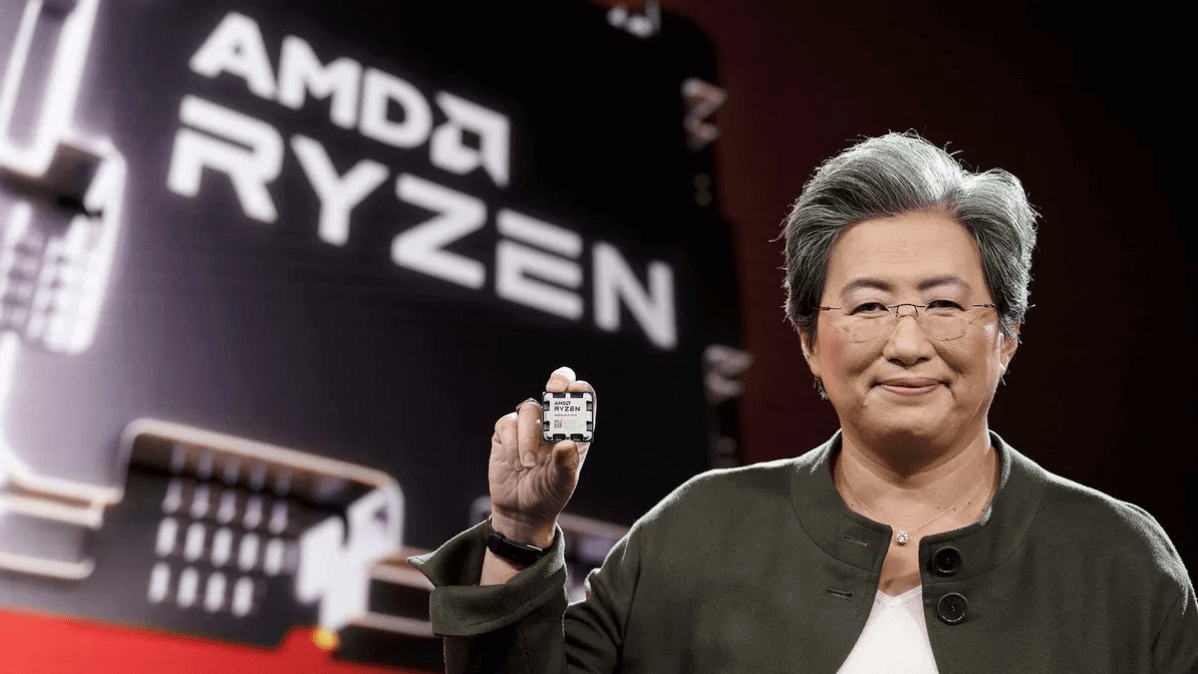
AMDs Ryzen AI Max+ 395: A Game-Changer in AI and Computing Rivalry with Apple and Nvidia
AMDs Ryzen AI Max+ 395 APU is poised to challenge Apple and Nvidia with up to 96GB of RAM, enabling advanced AI tasks without needing a dedicated AI GPU.
AMDs Ryzen AI Max+ 395 APU is poised to challenge Apple and Nvidia with up to 96GB of RAM, enabling advanced AI tasks without needing a dedicated AI GPU.

Explore two powerful WiFi setups tailored for GPU resource providers that ensure uninterrupted server connectivity using 5G SIM cards. Whether you need a simple failover solution or a dual WAN configuration for enhanced redundancy, these options guarantee continuous, high-speed internet access, minimizing downtime for mission-critical GPU workloads like AI training, data processing, and cloud gaming services.
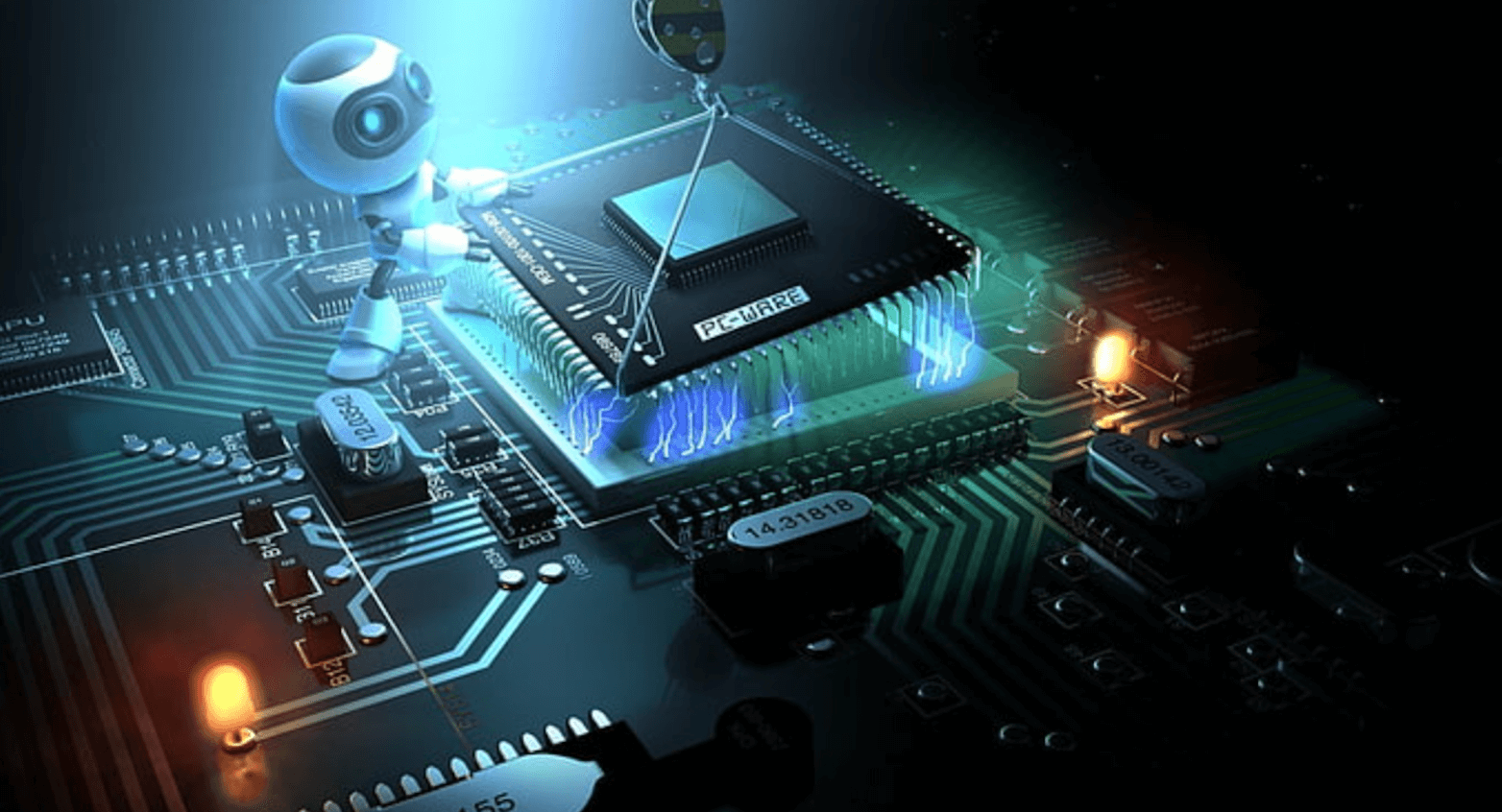
In the AI era, optimizing hardware isn't just about powerful CPUs and GPUs—it’s about ensuring efficient communication between them. PCIe lanes, the data highways between the CPU, GPU, and motherboard, play a critical role in AI tasks like deep learning and model inference. Adequate PCIe bandwidth allows for faster data transfers, multi-GPU support, and real-time processing, making lane allocation essential for high-performance AI systems. As PCIe 5.0 emerges, preparing your hardware for increased bandwidth will future-proof your system for next-gen AI workloads.
MIRA is revolutionizing AI by building decentralized infrastructure that makes advanced technology accessible to everyone—developers, businesses, and communities alike. By abstracting AI infrastructure into Flows that seamlessly combine models, data, and compute, MIRA simplifies the AI development process. This innovative approach empowers users to build and deploy AI applications without the usual complexities, fostering a new era of inclusive innovation.
Lilypad is revolutionizing AI and ML by decentralizing compute power using blockchain technology. Amid GPU shortages and high demand for computational resources, their platform taps into idle computing resources globally. By leveraging Ethereum on the Arbitrum network, Lilypad uses smart contracts for secure, transparent transactions between resource providers and consumers. Tasks are packaged in Docker containers and distributed across a peer-to-peer network via WebRTC. This approach democratizes access to high-performance computing, lowers costs, and accelerates innovation, making AI and ML technologies more accessible and efficient.